Short Bio:
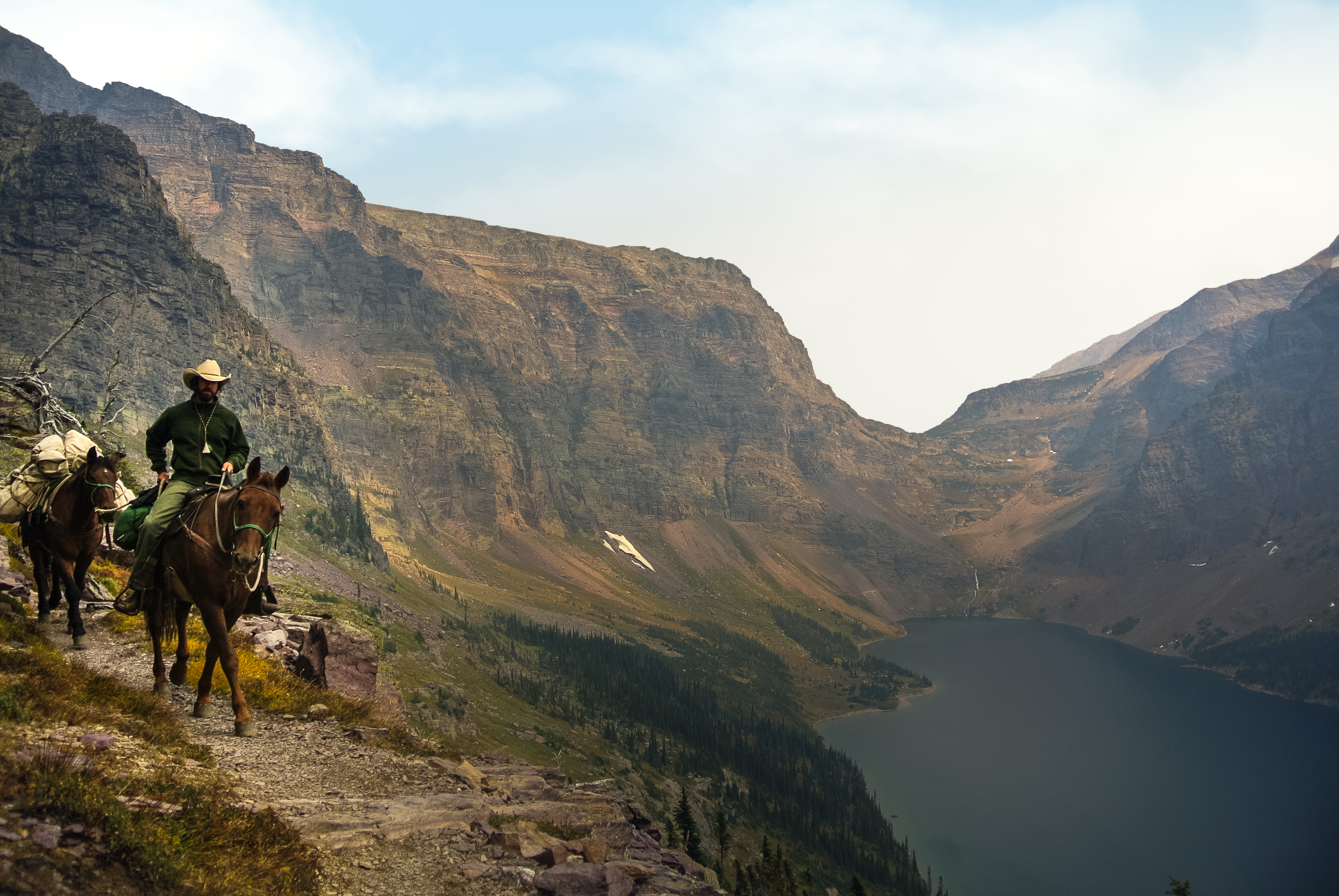
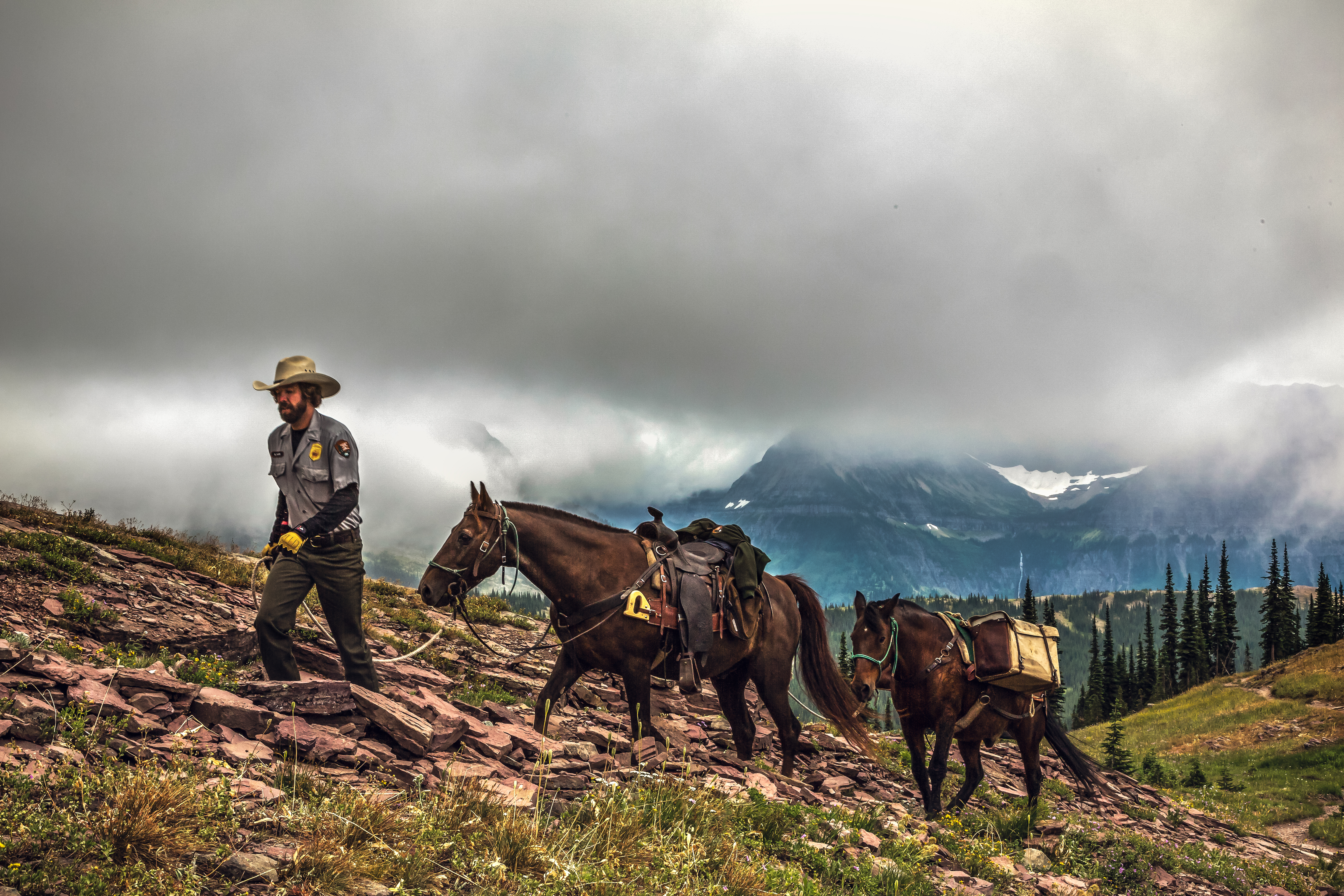
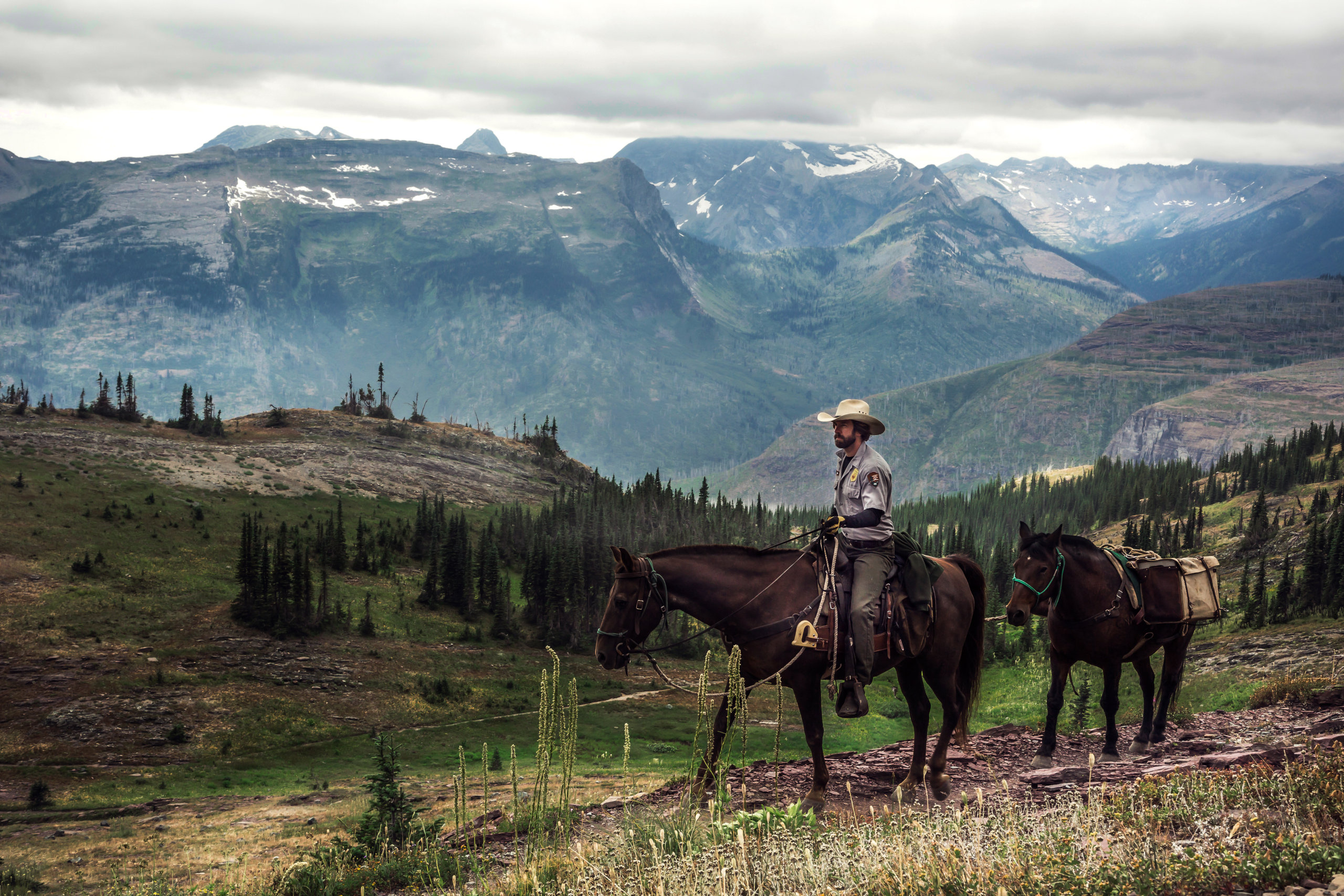
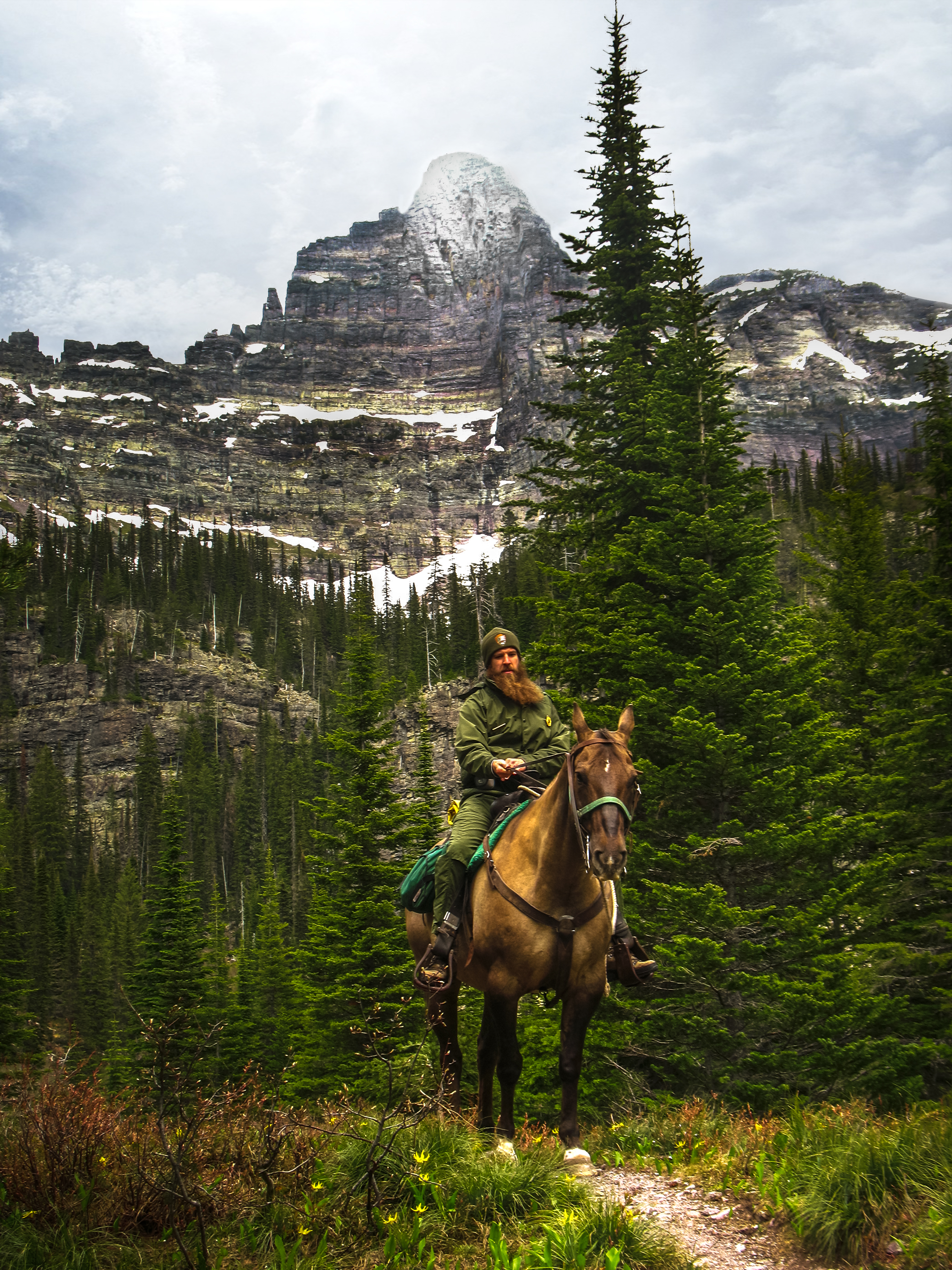
Surrounded by the majestic beauty and rugged wildness of the Northern Rockies, songwriter Michael Shaw worked as a horseman and wilderness ranger in Western Montana for more than a decade. Shaw brings authenticity to his music, as everything he references—from living off the land to cheating death—is rooted in the truth.
Medium Bio:
In these days of forced—or at least, questionable—authenticity in the resurgence of “outlaw” country music, it doesn’t take too keen an eye to spot the real deal; Michael Shaw is it. Without knowing it at the time, working as a horseman and wilderness ranger in Western Montana for more than a decade, patrolling the wildest reaches of Glacier National Park with his two horses, Pancho and Snuff, shaped Shaw’s debut album He Rode On in a way which only that unpredictable landscape, and the isolation that along with it, can. From seven winters as the lone caretaker of a remote horse ranch on the Blackfoot River to a wild weekend at Elko, Nevada’s “National Cowboy Poet Gathering,” every stitch of Shaw’s He Rode On rings true to his life—from living off the land to falling for a bronc riding cowgirl to cheating death.
Long Bio:
Surrounded by the majestic beauty and rugged wildness of the Northern Rockies, songwriter Michael Shaw worked as a horseman and wilderness ranger in Western Montana for more than a decade. That unpredictable natural landscape—and the isolation that goes along with it—shapes his debut album, He Rode On.
“I’ve always felt drawn to wildness—wild people, wild places, wild emotions,” he says.
Indeed, Shaw’s earliest memory is from the Keeneland Race Course in Lexington, Kentucky, where his father would sneak him down to a forested spot along the fence line where the horses made their final turn. “I remember the ground shaking and the thunder of hooves as they came around the bend. The energy and drive of those horses were almost palpable,” he says. “That feeling never left me. I want my music to convey that same level of drive and excitement.”
With a swagger in his vocal and a sharp eye for detail, Shaw brings authenticity to He Rode On, as everything he references on the album—from living off the land to cheating death—is rooted in the truth. Shaw’s captivating songwriting can be directly traced to his own experiences in the West, yet his stories are universal, whether he’s delivering a rowdy barroom anthem or a meditative song about the loss of a loved one.
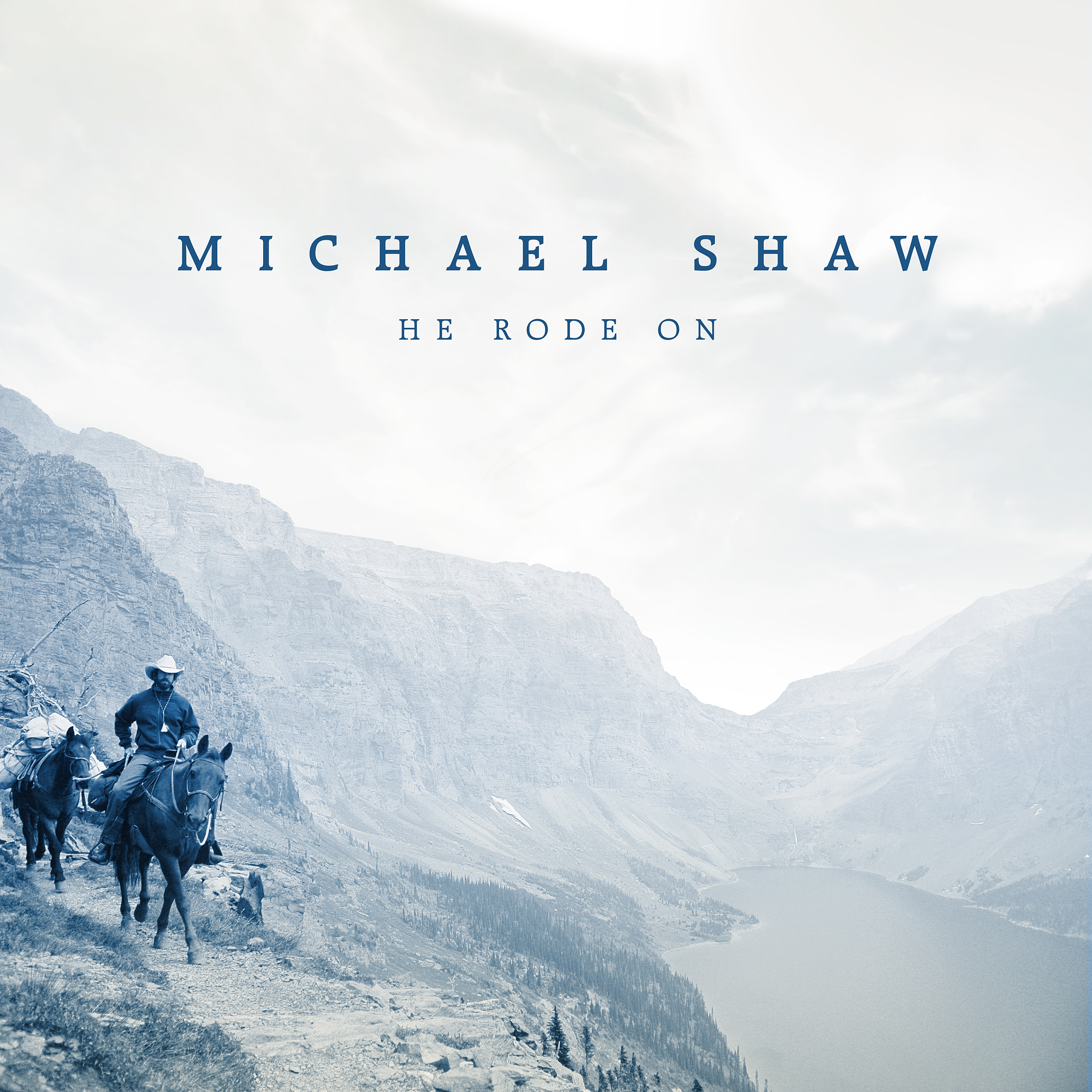
For He Rode On, Shaw reconnected with producer/guitarist Grant Siemens, known for his work with Canadian country artist Corb Lund. Shaw first met Siemens at the National Cowboy Poetry Gathering in Elko, Nevada, and established a lasting friendship. Shaw says, “I drove to Grant’s hometown of Winnipeg, Manitoba, and all the musicians gathered together in the same room and recorded live to tape, trying to capture the feel and warmth that characterize my favorite albums from the ‘60s and ‘70s.” Guests include drummer John McTigue III (Rodney Crowell) and steel guitarist Robbie Turner (Waylon Jennings). Shaw wrote all 10 songs on the project.
He Rode On leads with “Bad Honky Tonker,” a sly anthem described by Shaw as “the bastard love child of Keith Richards and Dwight Yoakam.” That’s followed by “Outlaw’s Refuge,” written when Shaw was living along tribal wilderness on the Flathead Indian Reservation, making homemade wine, hunting and fishing, harvesting the fat of the land. Carrying on that independent streak, the song “Billy” is inspired by his long-time friendship with a wilderness muleskinner who leads his life in an inimitable fashion.
Shaw’s own trajectory is equally compelling. In his early 20’s he left the Appalachian foothills of Southeast Ohio for the mountains of Western Montana, where he landed at a small cottage on the Bitterroot River. With the freedom to live as he chose, he read the literary classics and took to the mountains alone, exploring the expansive Bitterroot Wilderness. His love of wild places led him to Glacier National Park, where he worked the next twelve summers as a wilderness ranger, patrolling the wildest chunk of Northern Rockies on horseback with his two horses, Pancho and Snuffy. During the off-season, he’s made six different Montana counties his home, always on the rural route—including a winter he spent without running water or electricity, writing songs by candlelight.
Raucous numbers like “Cowboy Boots and a Little Country Dress” tie that Western imagery together—throwing in a yodel for good measure. In contrast, “Huckleberry Wine,” written when Shaw was living in a remote cabin near the Canadian Border, addresses the loneliness that comes with rural Western living.
For seven winters, Shaw was the lone caretaker of an isolated horse ranch on the Blackfoot River. In order to get along with the more difficult horses there, he took up a serious study of natural horsemanship.
“I went down to Dillon, Montana to work with some really good cowboys. I learned how to ‘feel’ of the horse, get in tune with them and on their level. I became a much better horseman. The process saw me getting dragged, kicked, bit and bucked off on several occasions. It tested my patience in all kinds of ways. But being a better horseman made me a better person. It’s a lifelong process, and you never stop learning from those animals,” he says.
After moving to Montana, Shaw talked his best friend and musical soul mate, Colin McKnight, into joining him. They immediately resumed their musical partnership—McKnight played a country-style Telecaster guitar and Shaw was a practiced drummer. Shaw began writing songs on McKnight’s acoustic guitar, and quickly built a portfolio of original material. They formed a hard-driving country band named Whiskey Rebellion, which handed out free whiskey at their shows. Rowdy tunes like “Shot Down” and “Stick A Fork In It” echo that experience.
“We used to play at this crazy saloon out in the middle of nowhere—smack dab in Lolo National Forest. It was a log cabin bar made of huge old growth cedars and it filled up on Saturday night. People would come out from the sticks and drink a ton of booze and light the place up. The dance floor was always crowded with swing dancers and there were bar fights and it was like something out of a movie. The band would camp out after the shows and have huge bonfires and stay up drinking whiskey till sunrise,” Shaw says.
When Whiskey Rebellion broke up, Shaw put his drums away and picked up a guitar. He and McKnight honed their craft as a duo with the goal of giving up their day jobs and pursuing music full-time. “We became extremely tight as a unit, and it was the most inspiring music I’ve ever made. Even though it was just the two of us playing at this isolated ranch house in middle-of-nowhere Montana,” he says.
But just as they were preparing to record their music and start playing out, McKnight died suddenly from a tragic accident. “I remember the phone call,” says Shaw. “The news hit me like a hurricane. I uncorked a bottle of red wine, and three bottles later—after a solo vigil that lasted till sunrise—I collapsed onto my bed. When I woke later that morning the sheets were red, stained from wine. It looked like I’d been stabbed in the heart.” They had played just two shows as a duo; their only recordings together were lost when the digital recorder was stolen from Shaw’s truck.
The days that followed McKnight’s death were largely a blur. “I disappeared into the Northern Rockies with my work horses, Pancho and Snuffy, and tried to make sense of a senseless situation. It was my darkest hour. Being alone deep in the mountains helped me come to terms with all that had happened. Wild nature has its own set of laws that go beyond the world of man.”
For the recording of He Rode On, Shaw wanted McKnight to be there somehow. “I took a bottle of Maker’s Mark, our favorite bourbon, and put some of his ashes inside. I took a drink for good measure, re-capped it, and re-dipped the bottle in red melted wax. Whenever I needed a little inspiration in the studio, I did a shot with my old friend, shaking the bottle of his whiskey-soaked ashes while I took a pull from a bottle of Buffalo Trace.”
McKnight’s presence is certainly felt on the album. The searing guitar work in “Stick A Fork In It” was recorded with his old Telecaster. The western epic “Like They Used To” is included because it was his favorite song of Shaw’s. The title track, which closes the album, ends with an emotional tribute to their friendship.
“There’s a phrase in music called ‘blood harmony,’ which describes a close-knit way of singing achieved by blood-related folks who share an almost supernatural sympathy due to their common nature and nurture,” Shaw says. “In our last couple years together, after nearly 18 years of musical and friendly brotherhood, I believe Colin and I reached a level of connection that was nothing short of blood harmony. He Rode On is dedicated to my old friend, and to how he lived his life.”